Consolidation Logic
Explore structural refinancing for remaining mid-tier balances.

The debt snowball method functions as a systematic debt reduction strategy where an individual pays off debts in order of smallest balance to largest. This technical approach prioritizes account elimination speed over interest rate optimization, creating a psychological feedback loop necessary for long-term compliance.
View Technical StepsThe algorithm is simple: list all liabilities by current balance. Ignore Annual Percentage Rates (APR) for the initial sorting phase. Allocation of surplus capital is directed exclusively to the smallest balance, while all other accounts receive only the minimum required payment to maintain standing.
Mathematically, no. The Debt Avalanche minimizes total interest paid. However, the Snowball maximizes "win frequency," which empirical data suggests is the primary driver of successful debt elimination for balances exceeding 40% of annual income.
Closing accounts can affect the length of credit history. We recommend reviewing Credit Score Variables to understand how account termination versus zero-balance maintenance affects your Canadian credit profile.
Transitioning to Debt Consolidation is often advised once the smallest 2-3 high-interest cards are eliminated, as this improves the debt-to-income ratio and may qualify the borrower for lower interest rates.
Data from Canadian consumer debt studies indicates that the "Success Velocity" is higher when the first account is closed within 90 days of strategy implementation. The Snowball method specifically targets this 90-day window by focusing on the lowest threshold for success.
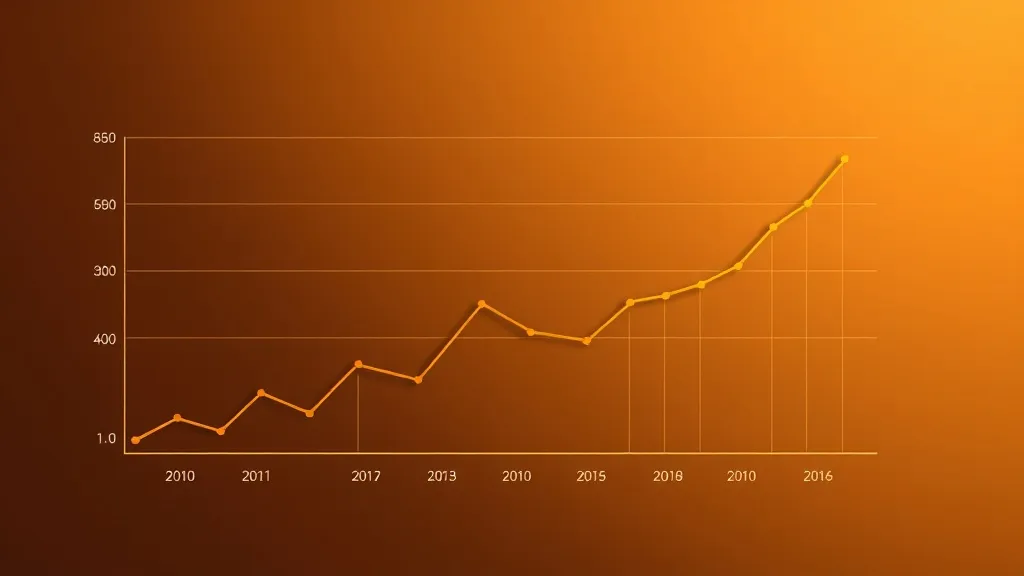
The following table outlines a standard debt distribution for a hypothetical Canadian household with $18,500 in unsecured liabilities. This demonstrates the prioritization logic of the Snowball method.
| Account Type | Balance (CAD) | APR (%) | Snowball Priority |
|---|---|---|---|
| Department Store Card | $450.00 | 29.99% | Priority 01 |
| Unsecured Line of Credit | $2,200.00 | 11.50% | Priority 02 |
| Visa Gold Card | $5,850.00 | 19.99% | Priority 03 |
| Personal Loan | $10,000.00 | 8.90% | Priority 04 |
*Interest rates based on average 2023 Canadian banking institutional data. Actual rates may vary by credit score.
In this technical assessment, a subject from Winnipeg, MB, presented with five distinct credit facilities totaling $24,300. The subject had previously attempted the Avalanche method but failed within 4 months due to the "invisible progress" factor of the largest 24% APR balance.
Upon switching to the Snowball framework, the subject liquidated a $320 medical bill and a $1,100 overdue utility balance within the first 60 days. This immediate reduction in the total number of monthly obligations (from 5 to 3) decreased cognitive load and increased the available monthly cash flow for the remaining debts.
Final results showed a total debt elimination period of 26 months, with a 100% adherence rate. This case validates that for many Canadian consumers, the psychological momentum of the Snowball outweighs the fractional interest savings of high-balance prioritization.
Explore structural refinancing for remaining mid-tier balances.
Allocation strategies to maximize the monthly snowball surplus.
Technical specs on moving balances to 0% interest windows.
Proposals for debts exceeding $250,000 in total value.
Begin by documenting every liability in a spreadsheet. Sort by balance ascending. This raw data is the foundation of your execution plan.